
List of the Best Smart Kettles
The ideal cup of coffee is just a touch away when you have one of these in your arsenal, and frequently with temperature control.
ReadMany users claimed they set up smart home gadgets for comfort and to keep an eye on the protection and safety of their loved ones.

The term “smart homes” holds various interpretations by people. For some, it is the ease of a smartphone-controlled light bulb or an internet-connected thermostat. Others may experience a sequence of integrated systems, intricate programming, and automated processes that transform their lives. It can also signify anything in between for others.
Many users claimed they set up smart home gadgets for comfort and convenience and to keep an eye on the protection and safety of their loved ones. Voice assistants make it possible for every family member to interact freely with smart gadgets.

Market research firm Techarc conducted a study that found that approximately 92% of customers find smart homes handy for home settings through voice control. The study has become the basis for understanding this technological trend in India.
According to the study above, more than 90% of people purchased their first smart home device in the previous two years. While the bulk of expensive appliances, like TVs, are bought offline, the majority of smart home gadgets are, which is not entirely surprising, bought online.
Generally, users in urban and rural areas cite “to explore new technologies” as their top motivation for purchasing smart home appliances. However, a fascinating nuance is still needed to know such as the following:
In connection, smart home users in India are most influenced by family and friends to know more about new devices, their features, and reviews. The study said that advertisements on TV/ online closely follow this medium of discovery and social media mentions.
The top two gadgets in a typical smart home setup are smart TVs (73%), followed by smart speakers (45%). However, other gadgets that boost productivity and convenience have also begun to increase. These include refrigerators, vacuum cleaners, security systems, and washing machines.

Because of the “smartization” of their line of appliances, numerous brands that produce household appliances like TVs, refrigerators, and washing machines have kept their status as the consumer’s first option. Because of their competitive pricing and features, newer brands that make smart home products have an advantage in categories including smart lights, smart security, smart plugs, and IR blasters.
Smart homes are game-changer and revolutionary. To give you some ideas, below are the principles that smart homes aim to establish in today’s digital age.
You are not mistaken if you think that everything is becoming more intelligent. The most popular categories for smart homes have traditionally been lighting and security. However, appliances like refrigerators, washing machines, window coverings, and air conditioners are all getting smart, and Wi-Fi functions are built-in. Even if you complain about it right now, all appliances will soon be smart ones, just like the transition to smart TVs.
The leading edge of a smart home setup is that security-focused appliances provide you with a sense of safety.
Consider a scenario where you regularly drive to work but occasionally fail to shut the garage door. You will receive a notification from a smart garage door controller that the door was left open, and you may then close it by pressing an app. Smart bulbs can be programmed to turn on based on the time of day if you do not enjoy arriving home to a gloomy flat. They can also be activated by a tiny motion sensor when you enter the front door.
Smart cameras and other security equipment can tell you what is happening at home, even in your absence. If you have dogs, you can use them to watch uninvited furry guests on the sofa.
Every new technology entails new dangers. The risks associated with a smart home might come from outside, such as hackers, and from inside, such as gadgets with intrusive privacy policies. Additionally, owners of smart homes may be exposed to major dangers including fire, blackmail, theft, and extortion due to these devices. The current security research has concentrated on the interactions between individual devices. Although there have been reported cases of smart home hacking, they do not seem prevalent. There are steps you can take to protect yourself.
Protect your home network. Use the strongest encryption on your Wi-Fi router such as WPA2. Set a strong and distinctive password on your router. You may take it further by creating a unique Wi-Fi network specifically for your smart gadgets. Wirecutter prefers two-factor authentication when configuring your devices since it adds a layer of security. Your smart gadgets require strong, unique passwords instead of pre-installed ones, just like your Wi-Fi network.

Making your home smarter does not require you to be a tech enthusiast. Nevertheless, you should be ready for some oddities. Tech is not perfect all the time. Connections break occasionally. Your smart speaker can misunderstand you sometimes, and mistakes can sometimes result from user error. While there are more ways to use smart technology in your life, it still has limitations. You remain the most intelligent item in your house.
The ideal cup of coffee is just a touch away when you have one of these in your arsenal, and frequently with temperature control.
Read
It can clean up to 1,000 square feet in a single cleaning session by wet mopping and dry sweeping for zone-specific cleaning.
Read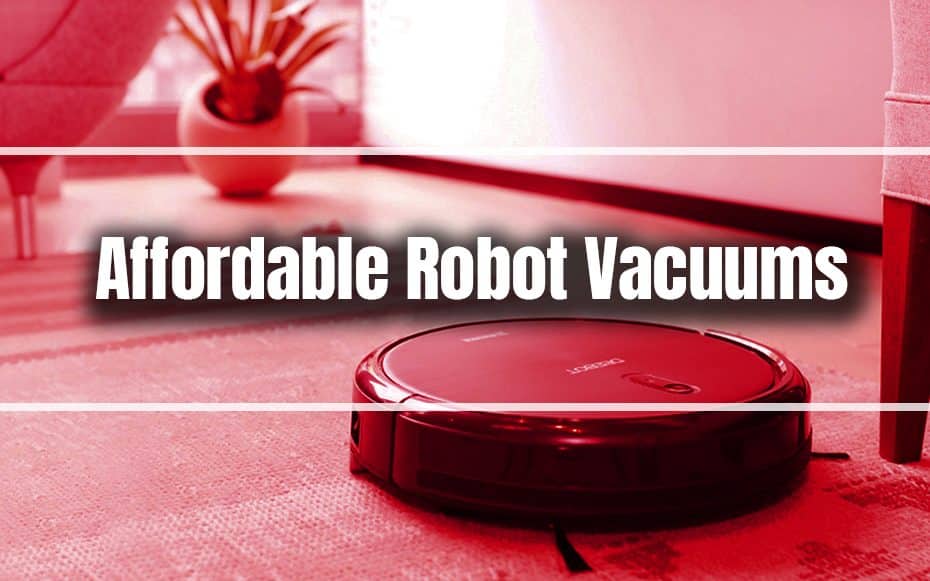
In that case, one of these low-cost devices accomplishes all you expected and more, all without compromising cleaning performance.
ReadA one-page PDF to plan your first devices, plus occasional emails when we publish new guides and deal alerts. Unsubscribe any time.
By subscribing you agree to our Privacy Policy.