
Guide on How to Build a Smart Garage
Most individuals are converting their garages into smart garages for two reasons: improved safety and simplicity of operation.
ReadSmart home technology alternatives provide risk-free control of various smart home elements and ensure user’s optimal medical conditions.
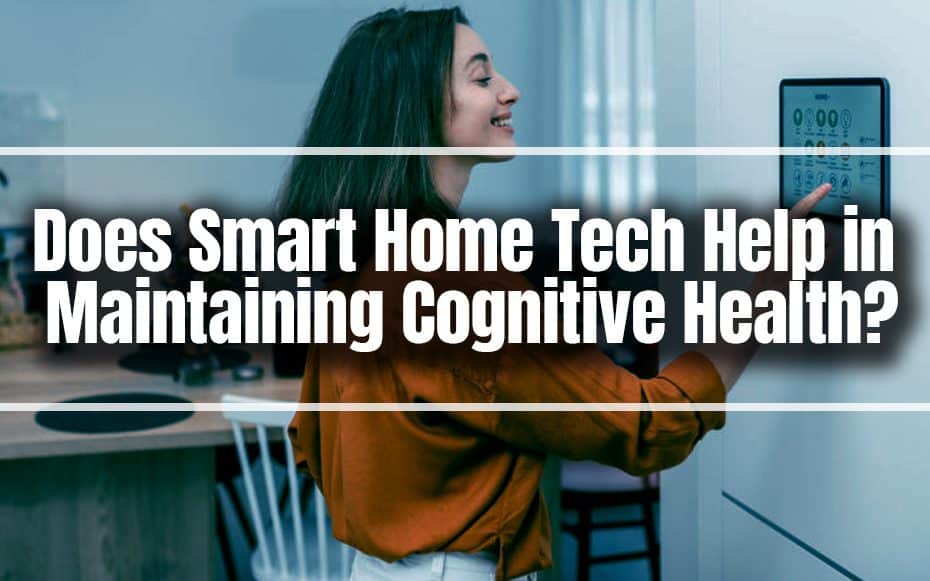
Smart home gadgets can significantly improve the quality of life for people, particularly the elderly who live alone or those suffering from cognitive impairment or dementia.
We’re discussing technologies like motion sensors, presence beacons, smartwatches, or an advanced lighting system with different-coloured light bulbs. Motion sensors and sensors that sense humidity, temperature, or force in the surroundings would be incorporated.

These smart home technology alternatives provide risk-free control of various smart home elements and ensure the older user’s health-being and optimal medical conditions.
Smart technologies can assist older persons in optimizing physical and mental functions, improve social interactions and quality of life, and promote independence by creating a safe environment inside and outside the house.
Smart devices can also be extremely beneficial to families and carers. They can relieve caregivers of physically and emotionally taxing tasks while boosting productivity and enhancing their standard of life.
Additionally, using these smart devices in aging treatment can help improve care quality and health outcomes by providing access to current, precise, and relevant health information for healthcare practitioners.
Here’s additional information on how smart devices might benefit elders.
Physical, social, and mental activity benefits people of all ages, but it becomes increasingly more important as we age. For example, people who maintain an active lifestyle into their senior years reduce their risk of cardiovascular disease, accidents, obesity, stroke, cancer, type 2 diabetes, depression, and dementia.
Cognitive engagement has been shown to increase the quality of life and decrease cognitive decline. Engaging your brain with different stimuli throughout your life promotes neuroplasticity, improving thinking abilities, learning abilities, and memory while preventing cognitive decline and neurodegeneration.
Smartphones, tablets, and other smart home gadgets are full of features to keep you physically and cognitively engaged.
Falling is a severe health concern for people over the age of 65. Every year, one in every four older persons falls, putting them at a higher risk of injury, hospital stay, and even death. When a fall is detected, smart home devices can notify a chosen contact or call emergency authorities.
Many technologies used to help elderly folks can also help persons with chronic diseases or impairments. Chronic disorders frequently necessitate multiple doctor’s appointments and medical visits, which can be physically taxing. Patients can care for themselves more successfully if they can speak with healthcare providers from home, even supplying data such as blood pressure and temperature.
Smart homes can also be modified to help people with various disabilities. Residents who are blind or visually challenged residents can communicate with technology via voice commands. Virtual assistants can respond verbally, bridging communication gaps in a non-smart environment.
People’s freedom may be jeopardized as they age due to increased health issues. Because of clever technology, older people can stay home without risking their health. Integrated health monitoring can monitor a patient’s vital signs and daily modifications, alerting the user or carers to potential problems as they develop.
If older people require assistance, smart technology makes it easier for them to contact doctors. Caregivers will have access to more dependable and handy services, such as remote health monitoring, allowing them to monitor multiple patients anywhere.

It is not only important to avoid colds and viruses; it is also important to maintain healthy habits, such as obtaining adequate sleep every night. Rest is essential for everyone, as insufficient sleep can cause long-term health issues in children and adults. Smart home technology features are designed to help you sleep better.
For instance, pre-programmed circadian lighting mimics human circadian rhythms, naturally lowering light levels when it’s time to sleep and boosting them when the sun rises for a calm wake-up call. Furthermore, homeowners can program temperature settings to alter throughout the night to keep them comfortable.
Smart technology can improve a home’s residents’ health and quality of life and provide convenience. Discover more about the fascinating aspects of smart homes for the elderly.
The smart home’s network of linked gadgets communicates with a remote center, such as a phone or tablet, to collect and analyze the senior’s physical and medical data. Having remote control to the thermostat, television, lights, security systems, and other home equipment gives seniors greater autonomy.
Implantable devices can be worn by seniors for 24-hour monitoring inside as well as outside the house. These devices are suitable for seniors who live alone and only sometimes have a caretaker with them. These technologies can mean the distinction between life and death. Consider wearing a Portable Medical Storage bracelet to keep your medical records safe in an emergency.
Smart homes take security to the next level. Several compact and hidden cameras with quiet alert systems can be installed. There’s also the possibility of connecting several devices and allowing user responsiveness. A senior, for instance, could use their cell phone to remotely lock their car doors.
For the physically crippled or unwell, smart homes feature a variety of mobility support equipment, including robots. These devices contain sensors and do not interfere with seniors’ normal activities.
Smart home gadgets can be set to remind seniors to take their medications, attend the doctor for a checkup, or keep appointments. Some medicine delivery systems also include visual indicators to guarantee that the senior receives the correct drug and dosage.
Everyday tasks might become difficult or demanding for seniors and several smart home products can help. Thermostats, for example, can be operated on automated systems customized to simplify temperature regulation. These can be voice-operated, remotely controlled, and remotely monitored.
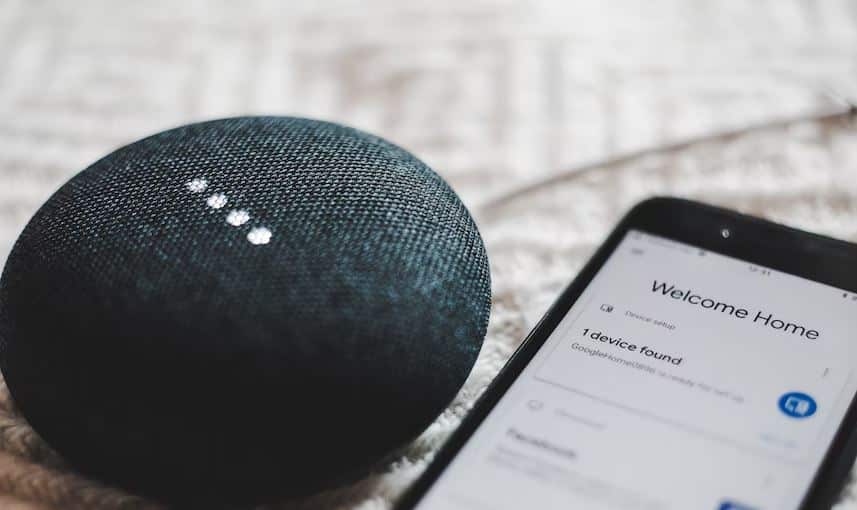
When your loved one travels from room to room at night, automated lights dramatically reduce the chances of a fall or injury. When you enter or leave a room, these lights can switch on or off automatically and be voice triggered.
The advantages of smart home technology go beyond convenience and security. Smart healthcare providers at home may influence and improve resident health in various ways, from detecting illnesses early on to fostering regular exercise routines and even sustaining someone’s cognitive health.
Most individuals are converting their garages into smart garages for two reasons: improved safety and simplicity of operation.
Read
Its name is IFTTT. Here’s a quick explanation of what IFTTT is, how it operates, and its benefits, especially for smart homes.
Read
Alexa is always accessible, accurate, and downright pleasant. Also, Amazon’s voice assistant has a separate name and voice choice.
ReadA one-page PDF to plan your first devices, plus occasional emails when we publish new guides and deal alerts. Unsubscribe any time.
By subscribing you agree to our Privacy Policy.